





Kodachrome 64 Sample Photos
What Kodachrome 64 actually looks like — 17 photographs shot on it by members here.
Buy on Amazon Kodachrome 64 → As an Amazon Associate I earn from qualifying purchases.
Kodachrome 64 was Kodak's legendary color slide film, the one behind decades of National Geographic covers and family slide shows. Its K-14 process added the color dyes during development, so it could only be processed by a handful of specialized labs. Kodak discontinued it in 2009, and the last lab, Dwayne's Photo in Kansas, processed the final rolls at the end of 2010. Today it can only be developed as black-and-white, so color Kodachrome photographs are almost all scans of slides from when it was still made.
It is remembered for rich but believable color — strong reds, deep blues — fine grain, and remarkable stability: slides stored in the dark often look as good as new decades later. For the closest slide film still made, compare it with Kodak Ektachrome E100.
Photographs shot on Kodachrome 64
 Leaded Glass of Reims Cathedral PahaPlager
 Toledo Cityscape at Nightfall PahaPlager
 Baker Lady of Capilieri PahaPlager
 Upstream from Lewiston Idaho PahaPlager
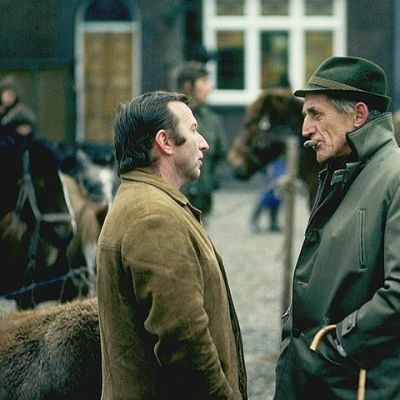 So, Like, How Much Do You Want For This Nag? PahaPlager
entered as “Kodachrome”
 Atlas Mick
entered as “Kodachrome”
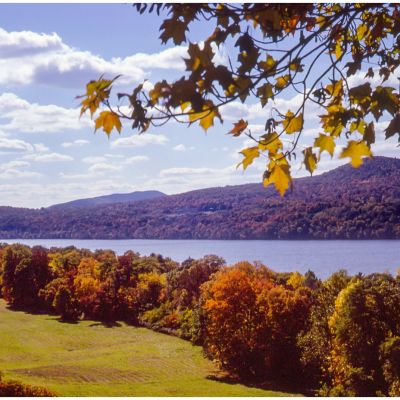 Hudson Valley 1977 Peter Manzari
 Two Romani Girls Playing in the Street PahaPlager
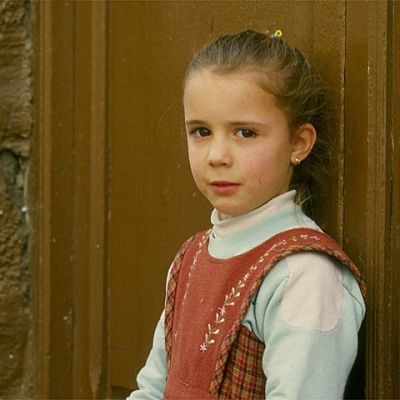 A Sweet Little Romani Girl PahaPlager
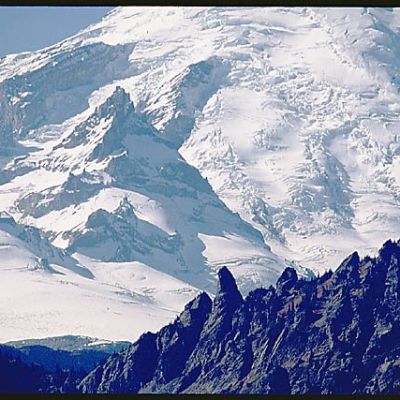 Mount Rainier behind Barrier Ridge PahaPlager
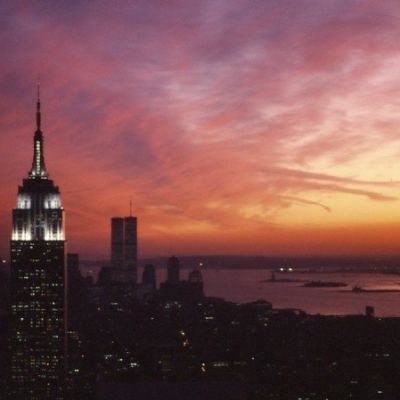 1986 Peter Manzari
 Chained rguzmanphoto
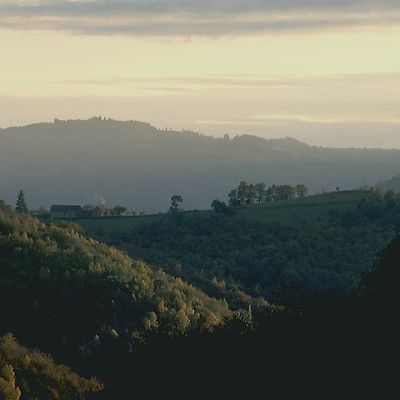 Early Autumn in the Central Massif of France PahaPlager
 Third to Last Homely House PahaPlager
entered as “Kodachrome”
 Chalet in Fall PahaPlager
entered as “Kodachrome”
 NYC 1985 Peter Manzari
entered as “Kodachrome”
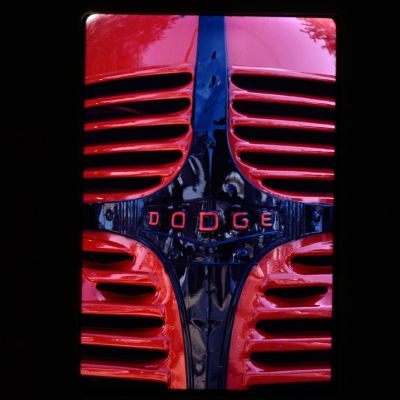 Kodachrome rguzmanphoto
Shoot Kodachrome 64? Join free to add your frames to this page, and like and comment on other members’ work. Sharing your own photographs is optional.
Create a free accountHow one member developed this film
1 of the 17 photographs here includes developing details, recorded by the photographer. Times and temperatures are what they used, not a recommendation — and the negative each one produced is right there beside it.
Related stocks
Other films in the same family. Often what you actually want when you're deciding between them.
 Kodak Ektachrome E100
Design Formalism II PahaPlager
entered as “Ektachrome”
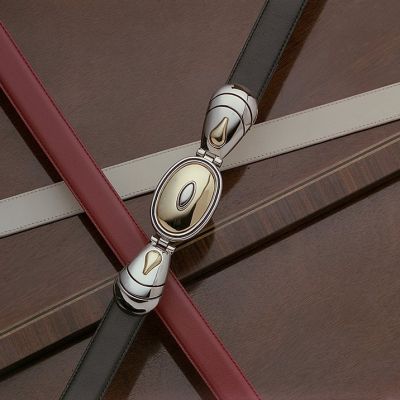 Kodak Ektachrome 64
Design Formalism PahaPlager
 Kodak Ektachrome 64
Osprey over the Yakima River PahaPlager
 Kodak Ektachrome 64
Seattle after Nightfall PahaPlager
 Kodak Ektachrome 64
Baubles PahaPlager
 Kodak Ektachrome 64
Tulipomania PahaPlager
 Kodak Ektachrome E100
Katana PahaPlager
entered as “Ektachrome”
 Kodak Ektachrome 64
The Long Haul PahaPlager
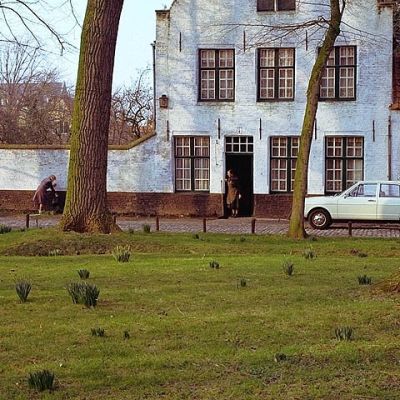 Kodak Ektachrome 64
The Washerwomen of Bruges PahaPlager
 Kodak Ektachrome E100
Idle Hands Be the Debbil’s Workshop PahaPlager
entered as “Ektachrome (tungsten)”
 Kodak Ektachrome 64
Product shot outta the ‘80’s PahaPlager
 Kodak Ektachrome E100
Showing Off rguzmanphoto
entered as “Kodak Ektachrome”
 Kodak Ektachrome E100
rguzmanphoto
entered as “Kodak Ektachrome”
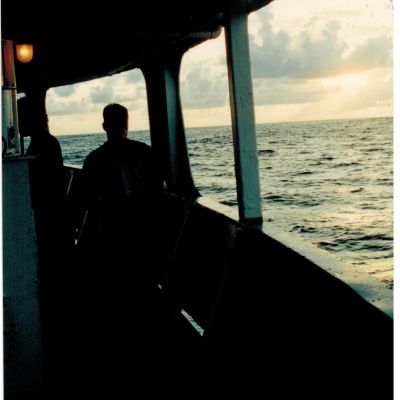 Kodak Ektachrome E100
South Seas Mick
entered as “Ektachrome”
 Kodak Ektachrome E100
Locker Room of Dreams PahaPlager
entered as “Ektachrome”
 Kodak Ektachrome E100
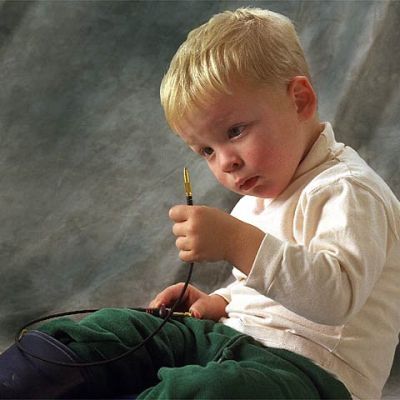
Lukie-the emergency back-up son-examining the intricacies of photography PahaPlager
entered as “Ektachrome”
 Kodak Ektachrome 64
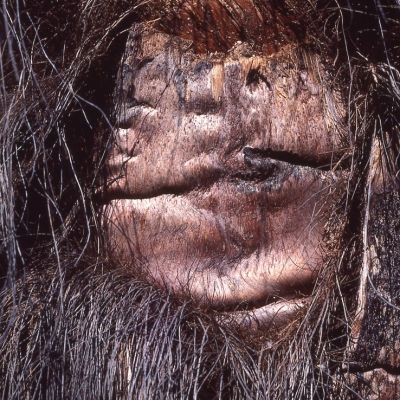
rguzmanphoto
entered as “Ektachrome 64”
 Kodak Ektachrome E100
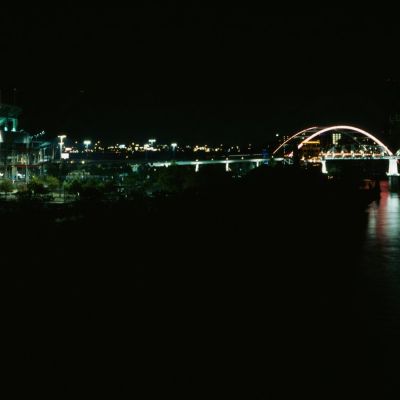
Dreams Happen Across The Water CharClarPhoto
entered as “Kodak Ektachrome E100 120 Film”
 Kodak Ektachrome E100
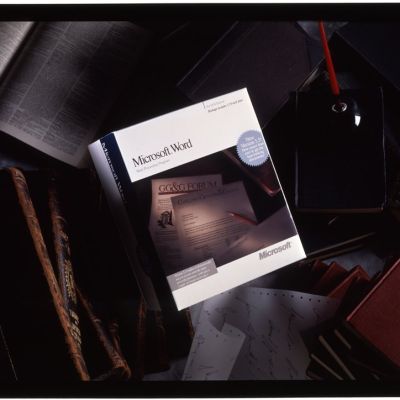
Microsoft Word 5.5 PahaPlager
entered as “Ektachrome”
 Kodak Ektachrome E100
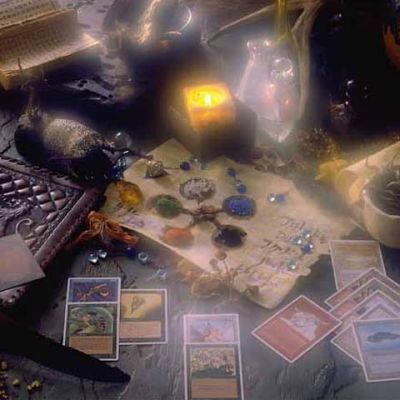
Pentagrams PahaPlager
entered as “Ektachrome”